Latest Posts in Website

Why Owning a Premium Domain Is the Smartest Investment a New York Business Can Make
Every successful New York business has one thing in common: they understood early on that where you plant your flag matters. Your storefront, your neighborhood, your address; in this city, location has always been everything. Your domain name is no different.
- September 30, 2026
8 Million Stories, One Easy Link
Type gaf.nyc and an 8-bit soundtrack starts up before you’ve read a word. Pixel-art animals appear beside a short menu that leads to a consulting practice and a lab full of writing and tech experiments. Welcome to Bryan Gaffin’s online home.
- November 15, 2026
Don’t Overbuild: When a Single Page Is the Perfect Fit for Your Small Biz
In New York City, space is a luxury — and not just in your storefront or studio. Online, your website real estate should work just as hard. If you’re a small business owner juggling rent, inventory, customers, and constant change, the idea of building a sprawling, multi-page website can feel overwhelming. And frankly, it might be unnecessary.
- November 01, 2026
Why Owning a Premium Domain Is the Smartest Investment a New York Business Can Make
Every successful New York business has one thing in common: they understood early on that where you plant your flag matters. Your storefront, your neighborhood, your address; in this city, location has always been everything. Your domain name is no different.
- September 30, 2026
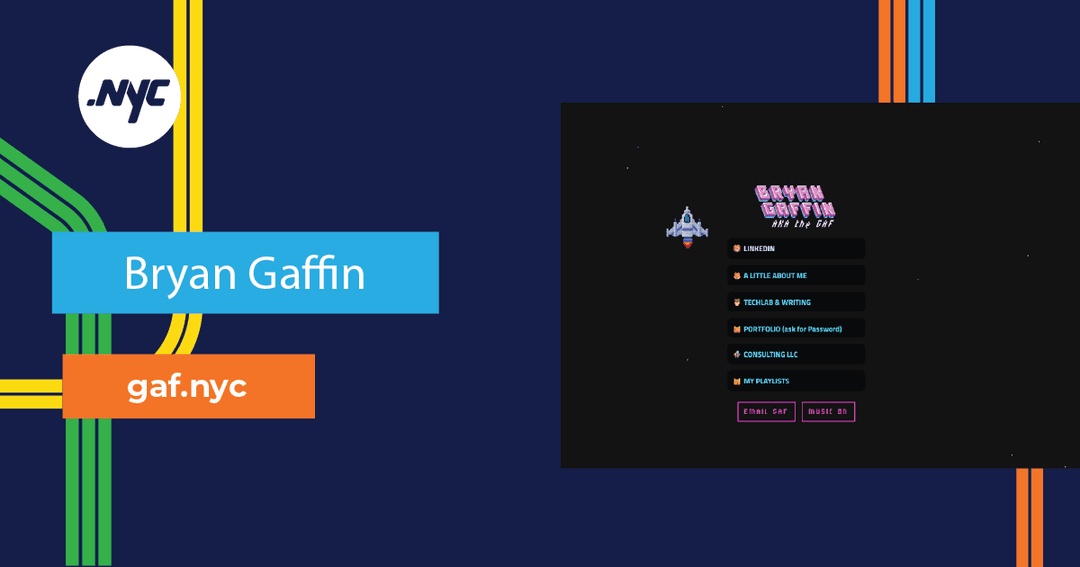
8 Million Stories, One Easy Link
Type gaf.nyc and an 8-bit soundtrack starts up before you’ve read a word. Pixel-art animals appear beside a short menu that leads to a consulting practice and a lab full of writing and tech experiments. Welcome to Bryan Gaffin’s online home.
- November 15, 2026

Don’t Overbuild: When a Single Page Is the Perfect Fit for Your Small Biz
In New York City, space is a luxury — and not just in your storefront or studio. Online, your website real estate should work just as hard. If you’re a small business owner juggling rent, inventory, customers, and constant change, the idea of building a sprawling, multi-page website can feel overwhelming. And frankly, it might be unnecessary.
- November 01, 2026

Proven: Short Domains Win the SEO Race Before It Even Begins
For years, the advice around domain names and SEO has been equal parts common sense and speculation. Everyone assumed that a clean, short, memorable domain was better than a bloated one stuffed with keywords. But assumption and proof are two different things — and until recently, nobody had run a properly controlled experiment to settle the debate.
- October 30, 2026

From Pop-Up to Permanent: Building a Lasting Brand with a .NYC Domain
In New York City, the pop-up isn’t just a trend, it’s a testing ground. From food stalls and art shows to retail corners and wellness activations, pop-ups give entrepreneurs the chance to dip their toes into the market, build buzz, and connect with their audience in real life. But as many NYC founders have discovered, making the leap from temporary to timeless takes more than just a great product.
- August 01, 2026

The Budget-Savvy Guide to Launching a Professional Website in NYC
New York City runs on hustle. Whether you're selling handmade soaps from your Harlem apartment, running a tutoring service in Queens, or launching a new fitness brand in Brooklyn, a professional online presence is no longer a luxury — it's the bare minimum.
- July 01, 2026

Short Domains, Big Results, and the Truth About How They Impact Your SEO
There's a question every business owner faces when choosing a domain name: does length actually matter? Common sense says shorter is cleaner, easier to remember, and more professional. But does Google agree?
- June 30, 2026
Why Email Still Works: Building Customer Loyalty for NYC Businesses in a Post-Social Media Era
Social media used to be the town square. For a while, it felt like you could post a photo, drop a new product, or make a quick announcement and immediately reach your audience. But that’s changed. The algorithm got in the way. Organic reach declined. Platforms became pay-to-play. And for small business owners in New York, that shift has been a wake-up call.
- June 01, 2026
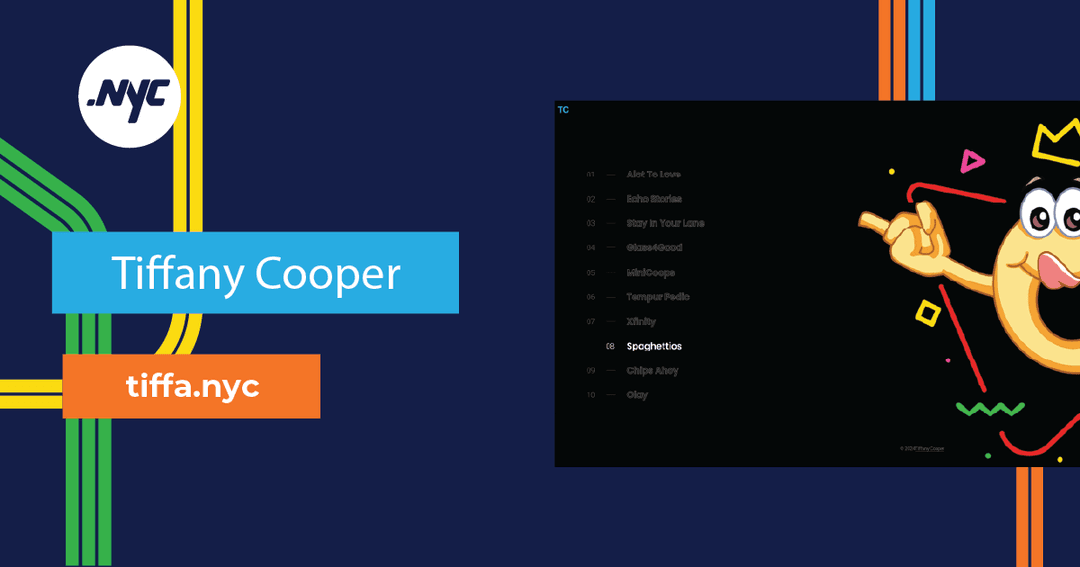
Why Your Creative Portfolio Needs a Domain That People Remember
In 2026, every creative professional needs a portfolio website. Whether you’re an illustrator, photographer, director, stylist, designer, or writer, the expectation is straightforward: if someone hears your name, they should be able to find your work immediately
- May 15, 2026

Why Helpful, Human-Focused Content Matters More in the Age of AI Search
Tools like ChatGPT, Google AI Overviews, and other large language models are increasingly summarizing websites, answering questions directly, and recommending businesses without users ever scrolling through a traditional list of search results.
- May 14, 2026

How NYC Small Businesses Are Winning with Direct-to-Consumer Strategies
Walk through any neighborhood in New York and you’ll see signs of hustle: pop-up markets, neighborhood delivery bikes, brands you recognize from Instagram setting up shop in renovated brownstones. Behind those moments are business owners who decided to cut out the middleman and go direct. Direct-to-consumer (DTC) isn’t just a buzzword or a Silicon Valley trend. It’s a strategy that’s reshaping how small businesses in NYC reach customers — and more importantly, how they keep them.
- May 01, 2026

How to Turn Your Instagram Followers Into Paying Customers On Your Website
You’ve built a solid Instagram following. The likes are rolling in, your content is getting shared, and your DMs are full of questions like “Do you ship to Brooklyn?” or “How can I book this?” But despite the buzz, sales through your website are slower than you’d like. Sound familiar? In a city as connected and creative as New York, it’s common for entrepreneurs, artists, and side hustlers to pour their energy into social media. It’s where discovery happens. But turning that attention into action — turning followers into actual customers — takes strategy. And it starts by making sure your website is ready for the job.
- April 01, 2026

Never miss a beat. Sign up for .nyc updates.
Get the latest news delivered straight to your inbox. We promise to keep it short, sweet, and spam-free.
Already own a .nyc?
Show your support and get your business, portfolio, or idea featured on the official .nyc website.